

Yiwen Bi
We’ve all had moments in life when we hesitated—if we should step forward, or if we should be brave enough to take an opportunity. In those moments our bodies probably sent us a signal, such as a quickening heartbeat. The body nudged us and made us feel uncomfortable or suddenly nervous. A reserved person was likely to overthink or list rational reasons why they should prefer the option of safety. But the story of Claire Penrose taught me that courage often begins with uncertainty, and taking the risk and stepping up even when we are scared, can lead to unimaginable possibilities.
Claire had such a moment when she studied at the University of Illinois as a freshman. Her roommate invited her to join a cycling organization in Champaign called Illini 4000. The annual main event organized by Illini 4000 was a cycling trip in the summer that lasts over 75 days across the country, from New York City to San Francisco, to raise funds for cancer research and cancer patient support. When Claire said yes and committed herself to an upcoming year of training and preparation, she embraced an exciting and adventurous journey.
The name of the organization, Illini 4000, came from the approximate distance of the trip (4000 miles). All members on its exec board were riders in recent years or students at U of I. Each year the team recruited riders of all skill levels, including those not knowing how to ride or who couldn’t afford a bike. After a year of learning—logistics, the route, getting to know team members, and how to conduct portraits (explained later)—along with physical training, around 20 members in a team were ready to depart and enter one of the best summers of their lives.
What also drew Claire to the commitment and challenge was the bigger mission behind the bike rides—fundraising for cancer patient support. Claire’s mom had gone through breast cancer.
By closely witnessing how her mom underwent the hardship, Claire understood what the patients were suffering. This became her motivation to make efforts and sacrifices.
Riding a bicycle was a repetitive motion activity. After a few days on the road, exhaustion inevitably set in. The initial days were very tough physically, with each day 20-100 miles, even after lots of training rides and long-distance practices. Mentally, it became more and more difficult later on the ride, after 50 or 70 days. The riders wondered how they could keep going, much like cancer patients enduring round after round of chemo treatment. The almost excruciating pain of body and spirit reminded the riders of those fighting against the disease.
Claire said the first five days were brutal. I imagine one’s thighs going numb by day three, or how one’s lower back screamed each time one dismounted. Every night team members might collapse into sleeping and ask if they could actually continue. And yet, in the mornings, those warriors got back on the bikes. The ride mirrored the fatigue of cancer, but no one in the team was going alone. Claire knew she could rely on each teammate–and they could rely on her. The riders understood what the others were going through and how to encourage them. Although the team provided good nutrition, supplies and emergency assistance, on the road it was the people around you who served as the real backstop behind every push of the pedal.
In the journey they’ve seen the vast and diverse landscapes of the United States, from the endless Great Plains to the Rocky Mountains, and then the hills of California. They pedaled through small towns and big cities, meeting all kinds of people curious about or admiring their strengths. I imagine the team witnessed unforgettable views, and endured intense weather conditions. Encouragement from teammates and the inspiring stories they heard from strangers were always precious.
The team was approached a lot in the trip. A bunch of cyclists wearing the same jersey was pretty noticeable. As strangers came to ask what they were doing, Claire and her friends cherished the conversations, especially with cancer survivors who shared their unique stories. The team recorded and collected these stories of how Americans coped with cancer and where they found hope in the Illini 4000 Portraits Project. Each conversation or interview constructed a portrait of someone fighting against the disease (some featured stories can be found on the Illini 4000 website: https://www.illini4000.org/). The team then created another map of each person they interacted with on the route who became also part of the journey. When these strangers shared their genuine and powerful stories, the purpose of the trip grew deeper, and elevated the training and rides to a higher level.
In an adventure adversity was rarely absent. Pain and tears might be as essential as joy and fun. During the trip Claire faced a significant challenge—an injury to her wrists in an accident. With support and medical care by the team, she stayed with others and made it to the destination. She learned perseverance and the courage to restart. Wasn’t that an incredible quality to carry through in life?
I like how Claire summarized it: “If you’re scared of something, just go and do it. Don’t spend your whole life thinking about it. I don’t ever bike that far.
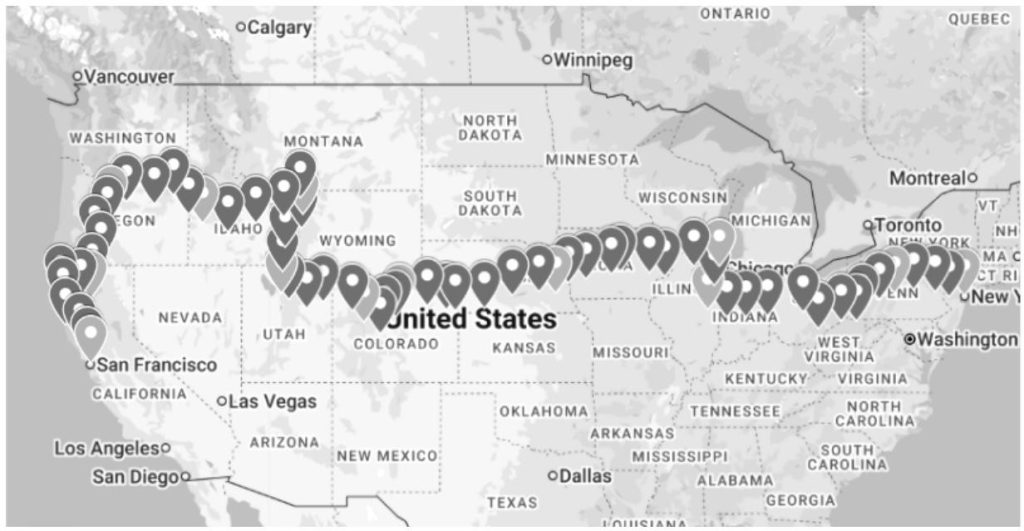
Illini 4000, https://www.illini4000.org/2025-route
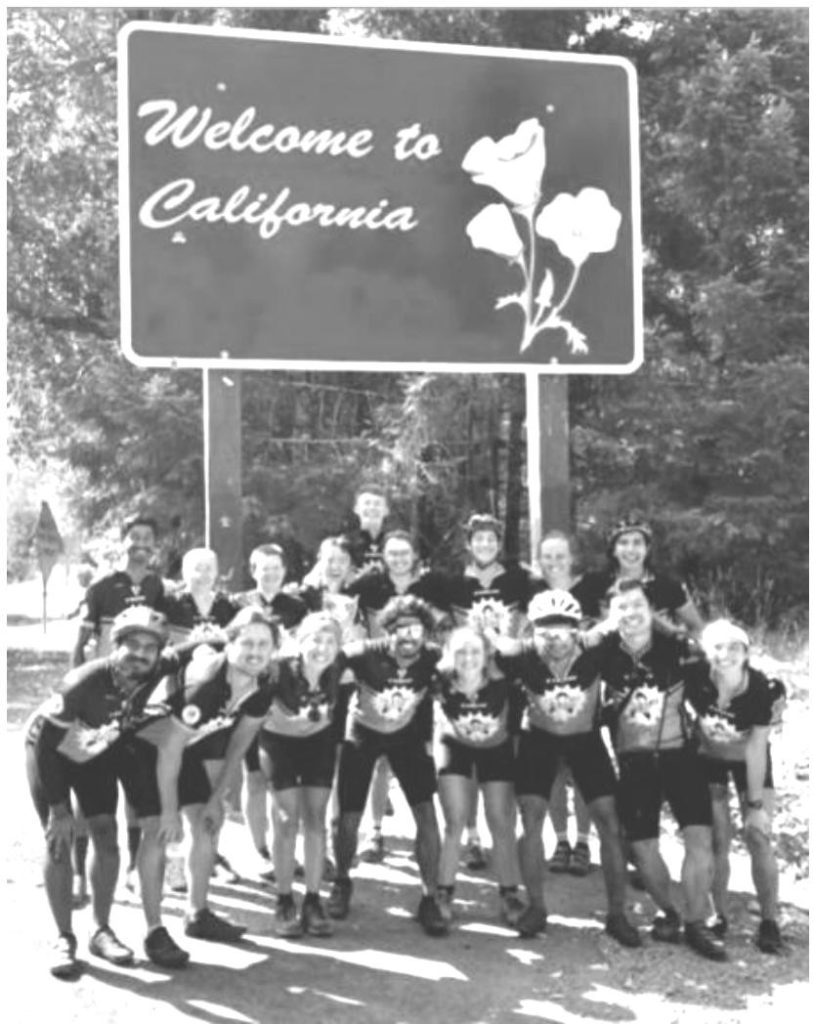
The Illini 4000 riders Team in 2021
It’s silly. It doesn’t seem like something that would interest me. Then after I did it, it’s been one of the best experiences in my life. Obstacles I overcame, friends I made and still keep in touch. Ever since then, I always just take the risk and do it, and it’s almost always worth it in the end.
Even if it’s not, it’s a good learning experience.” I cannot give a better summary than Claire did. I hope her story brings you inspiration.
(作者现居香槟)